
Mold Removal & Remediation in Dayton, Ohio
Need mold removal in Dayton, Ohio? Describe the mold once and independent Miami Valley remediation companies reply with free quotes. Here is how a proper job works, what it tends to cost, and the Ohio rules that matter when you hire.
Get a Free Quote Call (937) 466-8339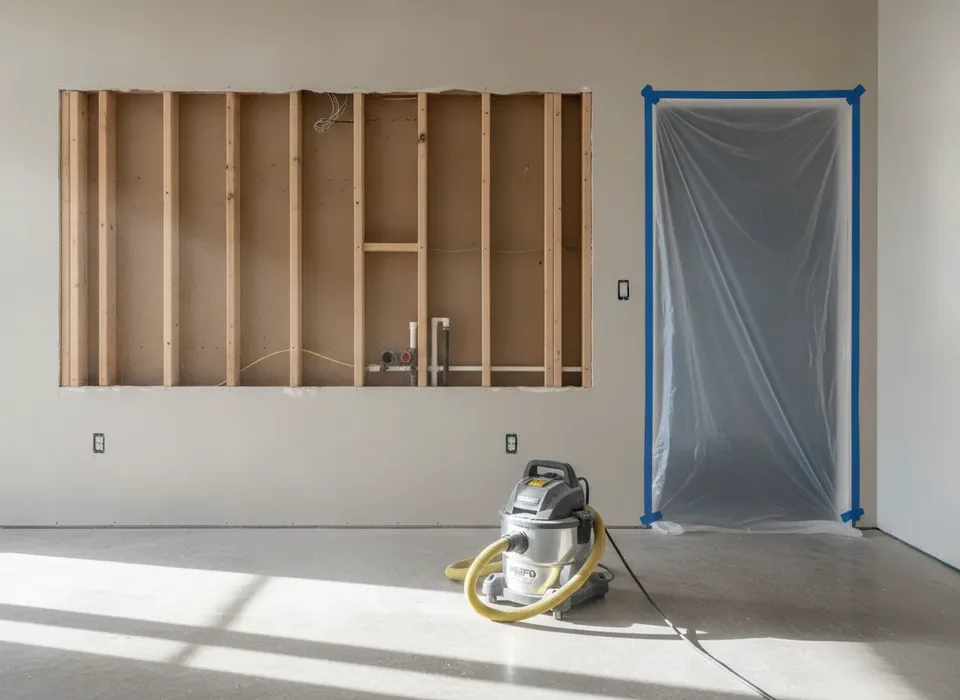
What's going on behind the stain
Mold needs moisture, something to eat and time. Drywall paper, wood and dust supply the food. Water is the part you control. Public Health - Dayton & Montgomery County notes that mold can start growing after one or two days of something being wet, and that mold keeps coming back when the water problem that caused it is not fixed.
Remediation means finding that water, removing or cleaning what is moldy, and drying the area so growth doesn't return. Scrubbing a visible spot rarely solves it. If you don't know how far it runs, start with a mold inspection.
Small patch or a job for a company?
EPA says a homeowner can often clean an area under about 10 square feet, roughly a 3 ft by 3 ft patch, if the water problem is fixed. Use soap and water, wear gloves and a mask, and dry the area well. Public Health does not recommend bleach.
Call a company when the area is larger, when mold is inside walls or under flooring, when sewage or floodwater was involved, when it is in the ducts, or when someone in the home is sensitive to mold.
What remediation companies typically do
Map the moisture
Moisture meters and often a thermal camera show how far the water traveled. The source gets named so a plumber, roofer or waterproofer can fix it.
Contain the area
Plastic sheeting and a zippered door seal the work zone. A negative air machine with a HEPA filter keeps dust from drifting into the rest of the house.
Remove what can't be cleaned
Moldy drywall, insulation, carpet and pad are cut out and bagged. Solid framing is usually cleaned and HEPA-vacuumed.
Clean and dry
Surfaces are HEPA-vacuumed and wiped, and dehumidifiers run until materials read dry.
Check the result
A visual check and moisture readings, ideally confirmed by an independent clearance test, before walls are closed.
The full sequence, including rebuild and permits, is on the process page.
Find the page for your problem
Most Dayton-area mold jobs start from one of these water sources:
- Basement mold: musty basements, sump pits and finished walls.
- Water damage, flood and sump mold: burst pipes, backups and flash floods.
- Crawl space mold: damp joists and musty floors above.
- Attic and roof-leak mold: ice dams and storm-patched roofs.
- Bathroom and kitchen mold: showers, sink cabinets and window sills.
- Rental and tenant mold: Ohio basics for renters and landlords.
Black mold: what it is and what it isn't
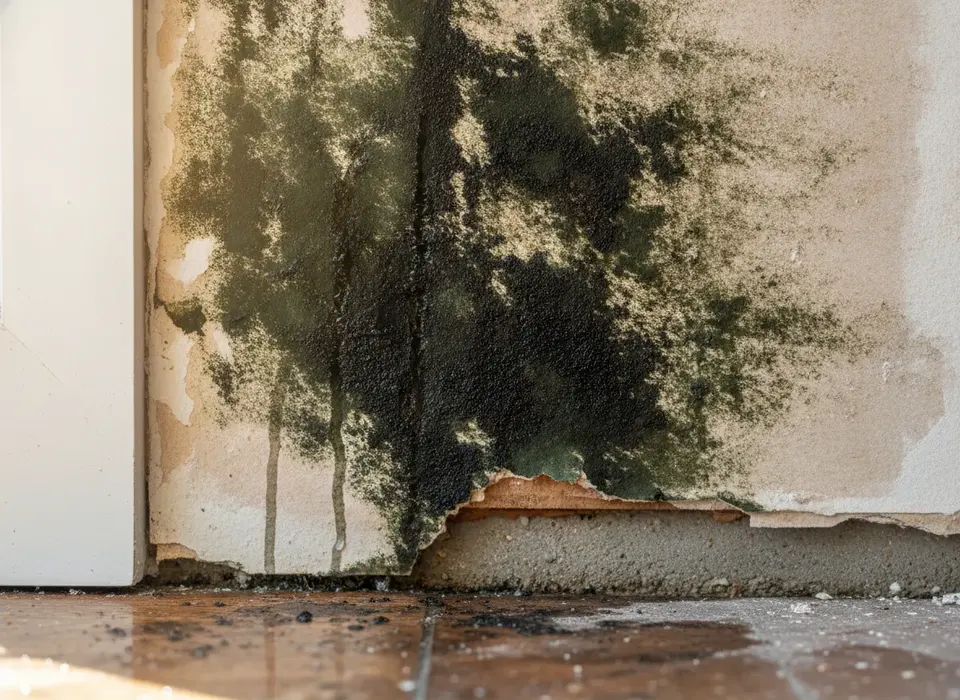
"Black mold" usually means a mold that grows on drywall paper and wood that stayed wet a long time. Many other molds are dark too, so color alone doesn't identify it, and color doesn't change the cleanup.
Public Health - Dayton & Montgomery County says any type or color of mold might cause an allergic reaction in a sensitive person. The advice is the same for all indoor mold: fix the moisture, remove the growth and keep vulnerable people away from the work. If someone has symptoms, see a doctor.
Dark growth on drywall does tell you something useful: the material stayed wet for a while, so expect it to be cut out and the leak traced.
HVAC and duct mold
Furnaces and ductwork in Dayton-area homes often sit in the basement or crawl space, the dampest parts of the house. A musty smell that gets stronger when the system runs, growth on vent covers, or water in the drain pan can point to the HVAC system.
Duct and air handler work is a specialty. Ask whether the company will clean or replace duct sections, how it protects the rest of the house while the system is open, and whether a heating contractor will handle any repairs. In Dayton rentals, HVAC work must be done by a City-registered contractor, and HVAC repairs generally need a permit. EPA publishes a consumer guide on duct cleaning that is worth reading first.
Why Dayton, Ohio homes get mold
Rain falls in every season here: 41.33 inches a year at Dayton International Airport, with no month under 2.35 inches (NOAA 1991 to 2020). Basements are common, many sit in the river valley, and 85.4% of Dayton's homes were built before 1980. Roofs repaired after the 2019 Memorial Day tornadoes, and about 110 freezing nights a year, add attic leaks and winter condensation.
What mold removal costs
| Item | Typical range | Source |
|---|---|---|
| Mold remediation, per sq ft | $10–$25 | This Old House 2026 (Fixr: $10–$30) |
| Typical remediation job | $1,200–$3,750 (avg ≈ $2,300) | This Old House 2026 |
| Broader range | $1,500–$9,000 (avg ≈ $3,500) | Fixr 2025 |
| HVAC / ducts | $3,000–$10,000 | Fixr 2025 |
| Whole house | $10,000–$30,000 | Fixr 2025; This Old House 2026 |
Rebuild, plumbing or roof repairs, and clearance testing are often separate. Try the calculator in the Dayton mold remediation cost guide.
Ohio rules that matter when you hire
Ohio does not issue a mold-specific license, and Public Health - Dayton & Montgomery County does not regulate mold. Ohio also has no state license for residential general contractors. The City of Dayton registers only electrical, plumbing, warm-air heating and pipe-laying contractors. What you can check:
- A certificate of insurance sent from the insurer or agent.
- City registration for any plumbing, electrical or HVAC work (required in Dayton rentals).
- An Ohio EPA asbestos license if suspect materials will be disturbed, and ODH lead licensing or EPA Lead-Safe Certified Firm status for pre-1978 paint work.
- Ohio Secretary of State business registration and complaint history with the Ohio Attorney General and BBB.
- Private mold training certificates are optional extras, not a legal requirement.
Contracts. Get a written contract and an itemized estimate. Ohio's Home Solicitation Sales Act generally gives you 3 business days to cancel a sale made at your home (ORC 1345.22). An emergency waiver has to be your own handwritten, signed statement, so be wary of a pre-printed waiver. Avoid large deposits and cash to individuals, and report problems to the Ohio Attorney General. After the 2019 tornadoes, the state pursued contractors who took payment and did little or no work.
Permits. Cleaning and small tear-out usually need no permit. Plumbing, electrical, HVAC, structural, roofing and storm-damage repairs generally do. Check with City of Dayton Building Inspection or your city's building department.
Older homes. Before tear-out in a pre-1980 home, ask whether pipe insulation, floor tile and mastic or ceiling texture will be tested for asbestos, and how painted surfaces will be handled for lead.
Insurance. Mold is usually covered only after a covered, sudden water loss such as a burst pipe. Check your policy and call your agent before work starts.
When it's urgent
- Water is still coming in, or sewage backed up into the house.
- Wet drywall or carpet has stayed wet for more than a day or two.
- Growth covers a large area or keeps coming back after cleaning.
- Someone in the home is sick or sensitive. See a doctor about symptoms.
Mold removal questions
How much does mold removal cost in Dayton, Ohio?
Published national estimates put a typical remediation job at $1,200 to $3,750 (This Old House 2026) and a broader range at $1,500 to $9,000 (Fixr 2025), or about $10 to $25 per square foot. HVAC jobs and whole-house work cost more. Your actual numbers come from the companies' quotes after they see the job.
Do mold remediation companies need a license in Ohio?
Ohio does not issue a mold-specific license, and there is no state license for residential general contractors. The City of Dayton registers only electrical, plumbing, warm-air heating and pipe-laying contractors. Check insurance, business registration, complaint history and, where asbestos or lead is involved, the Ohio EPA or ODH license.
Can I remove mold myself?
Often, if the area is under about 10 square feet and the water problem is fixed, according to EPA. Use soap and water, gloves and a mask, and dry the area well; Public Health does not recommend bleach. Larger areas, hidden mold, sewage water or mold in ducts are better left to a company.
Is black mold more dangerous than other mold?
Color doesn't decide the cleanup. Public Health - Dayton & Montgomery County says any type or color of mold might cause an allergic reaction in a sensitive person. Treat all indoor growth the same way: fix the moisture and remove it. See a doctor about any symptoms.
Do I need a permit for mold removal in Dayton, Ohio?
Cleaning and small tear-out usually need no permit. Plumbing, electrical, HVAC, structural, roofing and storm-damage repairs generally do. Ask the company to confirm with City of Dayton Building Inspection, or your own city's building department if you live outside Dayton.
Get mold removal quotes in Dayton, Ohio
Tell us where the mold is, roughly how big, what got wet and when, and whether you own or rent. We pass it to independent remediation companies in the Miami Valley, and they reply with quotes.
Independent Miami Valley companies reply to you directly. There is no obligation, and you choose who to hire. Prefer to talk? Call (937) 466-8339
Seeing or smelling mold? Get a clear plan.
Free, no-pressure quotes from independent companies across Dayton, Kettering, Beavercreek, Huber Heights and the Miami Valley.