
Water Damage, Flood & Sump Failure Mold in Dayton, Ohio
Water on the floor in Dayton, Ohio, from a burst pipe, a failed sump pump, a sewer backup or a flash flood? Mold can follow within a couple of days, so speed matters. Describe what happened and independent Miami Valley water damage restoration and mold companies reply with free quotes.
Get a Free Quote Call (937) 466-8339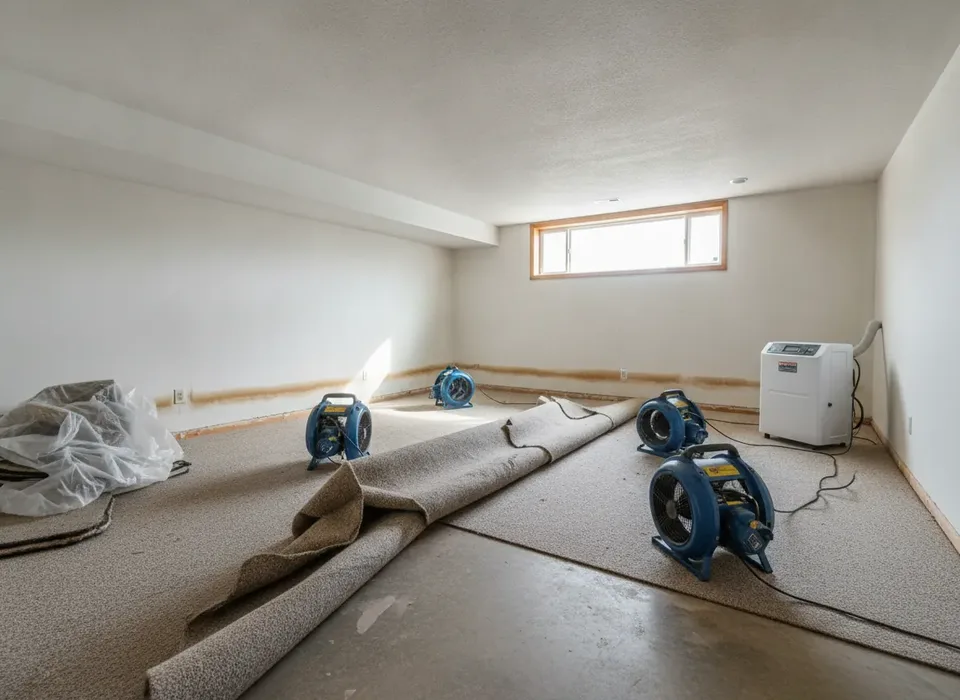
The first 48 hours
Stop the water
Shut the main valve for a burst pipe. Check the sump pump and its breaker. For a sewer backup, stop using drains.
Make it safe
Stay out of standing water near outlets or appliances until the power is off.
Take photos
Photograph the water, the damage and the source before anything is moved. Your insurer will ask.
Start drying
EPA advises drying wet materials within 24 to 48 hours. Public Health notes mold can start after one or two days of something being wet.
Not all water is the same
Where the water came from changes the cleanup and, often, the insurance answer.
- Burst or frozen pipes. Usually clean water and sudden. With about 110 freezing nights a year in Dayton (NOAA normals), pipes in exterior walls, crawl spaces and unheated rooms are at risk.
- Sump pump failure. Groundwater that the pump couldn't move. Often happens in long rains or power outages.
- Sewer backup. Contaminated water. Porous materials it touched are usually removed, not cleaned.
- Flash floods and surface water. Water coming in from outside through window wells, doors or walls during heavy storms.
- Roof and storm leaks. Slow, often hidden, and covered on the attic and roof-leak page.
Water damage restoration vs mold remediation
Water damage restoration in Dayton, Ohio means extracting water and drying the structure fast so mold never starts. Mold remediation is what happens when it already has. Many Miami Valley companies do both. If water arrived in the last day or two, ask for drying first. If it has been longer, or you already smell mold, ask for both in the same quote.
What the companies typically do
Extract and map
Pumps and extractors remove standing water, and moisture meters map how far it wicked into walls and floors.
Remove wet porous materials
Carpet pad, soaked drywall and insulation come out, especially after sewage or floodwater.
Dry
Air movers and dehumidifiers run for several days with daily moisture readings.
Contain and remediate
If mold has started, the area is sealed, HEPA-filtered, cleaned and dried.
Clearance and rebuild
Readings and ideally an independent clearance check before drywall goes back.
Dayton, Ohio and water
Dayton grew up at the meeting of the Great Miami River, the Stillwater River, the Mad River and Wolf Creek. After the 1913 Great Dayton Flood, the Miami Conservancy District built dams that hold back big river floods. They don't stop a failed sump pump, a sewer backup or water pouring through a window well in a storm.
NOAA normals for Dayton International Airport show 41.33 inches of precipitation a year, with every month above 2.35 inches and April and May the wettest. By late October 2026 the airport gauge had already passed its full-year normal (NOAA daily data). Basements are common here, which puts finished rooms, furnaces and storage right where water collects. See the basement mold page for sump pumps and dehumidifiers.
What it costs
| Item | Typical range | Source |
|---|---|---|
| Typical remediation job | $1,200–$3,750 (avg ≈ $2,300) | This Old House 2026 |
| Broader range | $1,500–$9,000 (avg ≈ $3,500) | Fixr 2025 |
| Basement | $1,500–$4,000 | Fixr 2025 (This Old House: $500–$3,000) |
| Mold remediation, per sq ft | $10–$25 | This Old House 2026 (Fixr: $10–$30) |
Water extraction and drying are priced separately by most companies and aren't in these published mold ranges. Ask for an itemized estimate. More in the cost guide.
Insurance basics
Mold is usually covered only after a covered, sudden water loss such as a burst pipe. Seepage, sump failure and sewer backup usually need a separate endorsement. Flood needs a separate flood policy, typically with a 30-day wait (Ohio Department of Insurance 2026 flood release). Check your declarations page, take photos and call your agent before work starts. Nobody can promise coverage. Read does homeowners insurance cover mold in Ohio.
Contracts after a storm
Get a written contract and an itemized estimate. Ohio's Home Solicitation Sales Act generally gives 3 business days to cancel a sale made at your home (ORC 1345.22). An emergency waiver has to be your own handwritten, signed statement, so be wary if someone hands you a pre-printed one. Avoid large deposits and cash to individuals. After the 2019 tornadoes, Ohio pursued contractors who took payment and did little or no work. Report problems to the Ohio Attorney General.
Permits. Drying and cleaning usually need no permit. Plumbing, electrical, HVAC, structural and storm-damage repairs generally do. Check with City of Dayton Building Inspection or your city's building department.
Questions to ask before you sign
- Can you send a certificate of insurance?
- Is drying priced separately from mold work, and what does each line include?
- Will you document moisture readings each day for my insurer?
- Is the 3-day cancellation notice in the contract if we sign at my home?
- Who handles the plumbing or sump repair, and is that contractor City-registered if this is a Dayton rental?
- Will there be a clearance check before rebuild?
Water damage and mold questions
How fast does mold grow after water damage?
Public Health - Dayton & Montgomery County notes mold can start growing after one or two days of something being wet. EPA advises drying wet materials within 24 to 48 hours. If carpet, drywall or insulation has been wet longer than that, plan on removing it rather than just drying it.
Does insurance cover mold after a flood in Ohio?
Standard homeowners policies usually don't cover flood. Flood needs a separate flood policy, typically with a 30-day wait (Ohio Department of Insurance 2026 flood release). Mold is usually covered only after a covered, sudden water loss. Call your agent and check your policy before work starts.
Should I sign an emergency waiver of my cancellation rights?
Ohio generally gives 3 business days to cancel a sale made at your home. A valid emergency waiver must be your own handwritten, dated and signed statement describing the emergency. Be wary of a pre-printed waiver form. This is general information, not legal advice.
My sump pump failed. What do I do first?
Unplug nothing while standing in water. Restore the pump or get water out, take photos, and move wet items out. Start drying within 24 to 48 hours. Then call your agent, since sump failure usually needs a separate endorsement, and get quotes for drying and any mold.
Is water damage restoration the same as mold remediation?
Not quite. Restoration removes water and dries the building fast so mold doesn't start. Remediation contains and removes mold that already grew. Many Miami Valley companies do both, so describe the timing when you ask for quotes.
Get water damage and mold quotes in Dayton, Ohio
Tell us what happened, when the water arrived, what got wet and whether it was clean water, groundwater or sewage. We pass it to independent water damage restoration and mold companies in the Miami Valley, and they reply with quotes.
Independent Miami Valley companies reply to you directly. There is no obligation, and you choose who to hire. Prefer to talk? Call (937) 466-8339
Seeing or smelling mold? Get a clear plan.
Free, no-pressure quotes from independent companies across Dayton, Kettering, Beavercreek, Huber Heights and the Miami Valley.